
The Only Guide for What Network Does Ghc Use For Health Care Services
The types of plans readily available and the premiums will vary based upon the state you reside in. It is necessary to keep in mind that the plan price estimated on the website is the most affordable readily available cost for that plan and presumes that you are in outstanding health. You won't understand what you'll really pay monthly until you apply and offer the insurance provider with your medical history.
Because of this, it can be hard to truly compare the plans to determine which company has the very best mix of rates and protection. It can be an excellent idea to determine which plans offer the most of the functions that you require and are within your rate variety, and after that to check out consumer reviews of those plans.
Medical insurance plans provide a range of various functions. While it might be hard to find a strategy that provides whatever you prefer, think about which of the following features are the most medically and economically required. Here are some questions to think about when you are researching plans: Does the strategy offer prescription drug coverage? Does it only cover generic versions of prescription drugs? What is the co-payment (also referred to as the co-pay) on generics and on name-brand drugs? Check the medicines you're currently taking, if any.
Do life time and yearly maximum benefits use? The ACA successfully got rid of life time and annual optimums for vital medical services, however this does not include, for instance, oral and vision coverage. Does the strategy use totally free or discounted services for preventive care, such as a yearly checkup? Many strategies under the ACA provide complimentary protection for many preventative care services.
How To Start A Home Health Care Agency - The Facts
Does the plan cover specialty services such as physical therapy, chiropractic, and acupuncture visits?What hospitals are included in the network?For PPOs, what is the cost for out-of-network services, should you desire or need them? Can you afford this? Getting your own medical insurance policy may not be as easy as getting registered with a company's plan.
Sudden deaths from conditions that are thought about preventable with timely access to effective and quality healthcare, consisting of diabetes, hypertensive diseases, and particular cancers, are described "death amenable to health care." This indication is utilized by several countries to determine health system efficiency. The U.S. has the greatest rates of open mortality amongst the 11 nations with 112 deaths for each 100,000.
The U.S. rate was two times greater than in Switzerland, France, Norway, and Australia. This bad efficiency recommends the U.S. has worse access to medical care, avoidance, and chronic disease Addiction Treatment Facility management compared to peer countries. While the United States spends more on health care than any other country, we are not achieving equivalent performance.
A relatively greater persistent illness concern and incidence of obesity add to the issue, but the U.S. healthcare system is likewise not doing its part. Our analysis reveals that the U.S. has the highest rates of preventable death because of individuals not receiving timely, top quality care. The findings from this analysis indicate crucial policy ramifications, in addition to opportunities to find out from other nations.
Some Ideas on A Health Care Professional Is Caring For A Patient Who Is Taking Zolpidem You Should Know
The U.S. could want to techniques taken by other industrialized nations to include costs, consisting of budgeting practices and using value-based rates of brand-new medical technologies. Techniques that aim to decrease health care rates are most likely to have the biggest effect, because previous research has actually shown that higher prices are the main reason the U.S.
Second, our findings require addressing threat factors for, and much better management of, chronic conditions. We can start by strengthening access to care and primary care systems. Our findings reveal that the U.S. has a relatively lower rate of physician visits compared to other nations. This is unexpected offered U.S.
We do know from previous Commonwealth Fund studies that adults in the U.S. experience greater affordability barriers to accessing physician gos to, tests, and treatments. Increasing access to cost effective health care and strengthening medical care systems are two of the most important obstacles for the U.S. health care system. Third, the U.S.

For instance, a recent analysis approximated that as much as one-quarter of total healthcare spending in the U.S. in between $760 billion and $935 billion annually is inefficient. Overtreatment or low-value care medications, tests, treatments, and treatments that offer no or very little benefit or potential harm accounts for around one-tenth of this spending.
All About What Is A Health Care Proxy
can find out from other countries; for instance, our comparably high usage of MRI scans and surgical treatments for hip replacement suggests we need to assess when these interventions bring the greatest worth. The global Choosing Wisely project promotes discussions around evidence-based care between doctors and their clients to assist evaluate which tests and treatments are really needed and totally free from harm. when does senate vote on health care bill.
healthcare system is the most expensive worldwide, however Americans continue to live reasonably unhealthier and much shorter lives than peers in other high-income countries. Efforts to control costs, improve price and access to required care, coupled with greater efforts to deal with danger factors, are needed to reduce the issue.
Data were extracted between July and August 2019 (what is universal health care). While information http://archerkobh375.unblog.fr/2020/10/20/things-about-what-in-home-health-care-services-are-offered-by-usaa-insurance-holders/ collected by the OECD reflect the gold requirement in worldwide contrasts, one limitation is that data might mask distinctions in how countries gather their health information. Complete information on how signs were specified, in addition to country-level distinctions in definitions, are offered from the OECD.
These expenses show data from HealthPartners, Blue Cross Blue Guard, PreferredOne and Medica. These numbers are good faith quotes. Preventive visits are advised for everyone. However, different services are required at various ages. For instance, a baby might require several shots. A teenage boy might just need a physical examination.
What Might Happen If The Federal Government Makes Cuts To Health Care Spending? Fundamentals Explained
As a result, your age impacts the expense of your workplace go to. Some preventive services are covered 100 percent by your insurance coverage, which suggests there's no expense to you. Note: Medicare does not cover preventive care. You are considered a "brand-new client" if you have actually not been seen in the department/specialty in the last three Alcohol Rehab Facility years.
There are several manner ins which you can buy a health insurance in Massachusetts. Many individuals get their health plan through their place of employment. For people that can't do this, there are a number of other ways to get a health insurance. In Massachusetts over 70% of all employers offer health insurance as an advantage to their staff members.
You can select the health insurance that is finest for you from the choices offered. If you are enrolled as a student in a Massachusetts college or university, you can buy a health insurance through your school. This SHIP id designed for trainees and is only available while you are enrolled.
And the business can't turn you down if you have a health condition. Often the company will direct you to acquire their health strategy through an intermediary. An intermediary is a business that takes care of the registration and premiums. If you satisfy specific income requirements, you might be eligible for MassHealth.

Not known Details About What Health Care Services Were Death Panels Supposed To Provide
Crumpler was born complimentary and trained and practiced in Boston. At the close of the war, she joined the Freedmen's Bureau and worked in the freed individuals's neighborhoods of Virginia. In 1883, she published among the very first writings on the concern of disease in black neighborhoods. "They seem to forget there is a cause for each condition," she composed.
That bloc maintained the nation's racial stratification by protecting local control of federal programs under a mantra of "states' rights" and, in some cases, by adding qualifications straight to federal laws with prejudiced intent. As the Columbia University historian Ira Katznelson and others have actually documented, it was mainly at the request of Southern Democrats that farm and domestic workers more than half the nation's black work force at the time were left out from New Offer policies, including the Social Security and Wagner Acts of 1935 (the Wagner Act made sure the right of workers to collective bargaining), and the Fair Labor Standards Act of 1938, which set a base pay and established the eight-hour workday.
Costs, enabling state leaders to effectively leave out black people. [Myths about physical racial distinctions were utilized to justify slavery and are still thought by physicians today.] In 1945, when President Truman called on Congress to broaden the nation's medical facility system as part of a larger health care plan, Southern Democrats acquired crucial concessions that shaped the American medical landscape for decades to come.
But it also made sure that states managed the dispensation of funds and might segregate resulting centers. Professional societies like the American Medical Association disallowed black doctors; medical schools excluded black students, and a lot of healthcare facilities and health centers segregated black patients. Federal healthcare policy was created, both implicitly and explicitly, to omit black Americans.
The Single Strategy To Use For What Is Health Care Delivery System
What's more, access to great treatment was predicated on a system of employer-based insurance that was inherently difficult for black Americans to get. "They were rejected most of the jobs that used protection," says David Barton Smith, an emeritus historian of healthcare policy at Temple University. "And even when some of them got medical insurance, as the Pullman porters did, they couldn't use white centers." In the shadows of this exemption, black communities created their own health systems.

Black medical professionals and nurses most of them trained at one of 2 black medical colleges, Meharry and Howard developed their own professional companies and began a concerted war against medical apartheid. By the 1950s, they were pressing for a federal health care system for all residents. [To get updates on The 1619 Job, and for more on race from The New York Times, our weekly Race/Related newsletter.] That fight put the National Medical Association (the leading black medical society) into direct dispute with the A.M.A., which was opposed to any nationalized health strategy.
The group used the exact same arguments in the mid- '60s, when proponents of nationwide medical insurance presented Medicare. This time, the N.M.A. established a countermessage: Health care was a fundamental human right. Medicare and Medicaid belonged to a more comprehensive plan that lastly brought the legal segregation of health centers to an end: The 1964 Civil liberty Act outlawed segregation for any entity receiving federal funds, and the new healthcare programs quickly positioned every hospital in the country because category.
Those who did not fit into particular age, work or earnings groups had little to no access to healthcare. Affordable Care Act brought medical insurance to nearly 20 million previously uninsured grownups. The biggest recipients of this boon were individuals of color, much of whom acquired coverage through the law's Medicaid growth.
An Unbiased View of Which Statement About Gender Inequality In Health Care Is True?
Numerous states, the majority of them in the former Confederacy, declined to take part in Medicaid growth. And several are still attempting to make access to the program contingent on burdensome brand-new work requirements. The results of both policies have been indisputable. States that expanded Medicaid saw a drop in disease-related deaths, according to the National Bureau of Economic Research Study.
One hundred and fifty Mental Health Doctor years after the freed individuals of the South first petitioned the federal government for Rehab Center standard medical care, the United States stays the only high-income nation on the planet where such care is not ensured to every citizen. In the United States, racial health disparities have actually shown as foundational as democracy itself.
" Disparity is built into the system." Medicare, Medicaid and the Affordable Care Act have helped shrink those variations. However no federal health policy yet has actually eradicated them (how does electronic health records improve patient care).
By Rosana G. Ferraro It's that time of year once again when insurer request for medical insurance rate boosts [] By: Rosana Ferraro Wondering what happened in the special session? We've got your back. As you may understand, lawmakers got [] By Jackie Nappo and Jill Zorn Just Recently, Universal Health Care has been talking about disparate health results, particularly as [].
The smart Trick of How Much Does Medicare Pay For Home Health Care Per Hour That Nobody is Discussing
Everywhere I went last fall, I would frequently hear the very same twang of pitywhen I informed someone I 'd concern their nation from America to discover how their health care works. There were three minutes I will always remember, one from each of my trips to Taiwan, Australia, and the Netherlands.
I was walking along a municipality road, clearly out of place, and he was planting orchids with his mother. He stopped me and asked what I was doing there. I stated I was a journalist from the United States, reporting on health care. He smiled a bit and after that went directly into a story, about his pal who was living in Los Angeles and broke his arm however came back to Taiwan to get it fixed because it 'd be cheaper than getting it fixed in the US.
We nestled in a little structure with a cafe and traveler info desk, and among the employees, Mike, presented himself. I ended up informing him why we existed; he considered it a moment and after that said: Well, we have actually got some issues, but absolutely nothing as bad as yours.
Our task was enabled by a grant from.) In the Netherlands, the scientists I consulted with at Radboud University had asked me to offer a presentation on American healthcare, a quid professional quo for their discussion on the country's after-hours care program. So I obliged. There were two minutes when the audience audibly gasped: one when I explained how many individuals in the United States are uninsured and another when I discussed just how much Americans have to spend expense to meet their deductible.
A Health Care Professional Who Is Advising A Patient About The Use Of An Expectorant Can Be Fun For Anyone
Individuals have frequently asked which system was my preferred and which https://erickuwbn925.shutterfly.com/44 one would work best in the US. Unfortunately, that is not so simple a concern to respond to. But there were definitely plenty of lessons we can take to heart as our nation participates in its own discussion of the future of health care.
Each of the nations we covered Taiwan, Australia, the Netherlands, and the UK has actually made such a dedication. In truth, every other nation in the industrialized world has actually decided that health care is something everyone need to have access to and that the government should play a considerable function in guaranteeing it. what home health care is covered by medicare.

The Greatest Guide To What Is The Role Of Insurance Payers In The Quality Of Services Of A Health Care Organization
Prevention of disease and promo of health and wellbeing Global concentrations of health care resources, as illustrated by the number of doctors per 10,000 people, by nation. Healthcare, health-care, or healthcare is the upkeep or enhancement of health via the prevention, medical diagnosis, treatment, recovery, or remedy of disease, health problem, injury, and other physical and psychological impairments in individuals.
Physicians and physician partners are a part of these health experts (who qualifies for home health care services). Dentistry, drug store, midwifery, nursing, medication, optometry, audiology, psychology, occupational treatment, physical treatment, athletic training and other health professions are all part of healthcare. It includes work performed in offering main care, secondary care, and tertiary care, along with in public health.
Offering healthcare services suggests "the timely use of individual health services to attain the finest possible health results". Factors to consider in terms of healthcare gain access to consist of financial constraints (such as insurance coverage), geographical barriers (such as extra transport costs, possibility to take paid time off of work to utilize such services), and personal limitations (lack of capability to communicate with health care providers, poor health literacy, low income).
Health care systems are organizations established to satisfy the health needs of targeted populations. According to the World Health Organization (WHO), a well-functioning healthcare system requires a financing system, a trained and sufficiently paid labor force, trusted info on which to base decisions and policies, and well preserved health centers to provide quality medications and innovations.
Healthcare is traditionally considered as a crucial factor in promoting the basic physical and psychological health and well-being of individuals around the world. An example of this was the worldwide eradication of smallpox in 1980, stated by the WHO as the very first illness in human history to be totally gotten rid of by intentional health care interventions.
The delivery of modern-day health care depends on groups of skilled specialists and paraprofessionals coming together as interdisciplinary teams. This consists of specialists in medicine, psychology, physiotherapy, nursing, dentistry, midwifery and allied health, together with many others such as public health practitioners, neighborhood health employees and assistive workers, who methodically offer individual and population-based preventive, alleviative and corrective care services.
How Health Care Agency What Kind Of Interview Would You Conduct On A Client Seeking Services can Save You Time, Stress, and Money.
Healthcare can be defined as either public or private. The emergency clinic is frequently a frontline location for the shipment of primary healthcare. Medical care refers to the work of health specialists who act as a very first point of assessment for all clients within the health care system.
Another expert would be a licensed independent practitioner such as a physio therapist, or a non-physician primary care provider such as a physician assistant or nurse specialist. Depending on the region, health system company the client may see another healthcare professional first, such as a pharmacist or nurse. Depending upon the nature of the health condition, clients may be referred for secondary or tertiary care.
It can be supplied in various settings, such as Immediate care centers which offer exact same day consultations or services on a walk-in basis (what is home health care services). Medical care includes the largest scope of healthcare, consisting of all ages of patients, patients of all socioeconomic and geographic origins, patients seeking to preserve ideal health, and patients with all types of intense and persistent physical, psychological and social health problems, consisting of numerous chronic illness.
Continuity is a crucial attribute of medical care, as patients generally prefer to consult the very same professional for regular check-ups and preventive care, health education, and whenever they need a preliminary assessment about a new illness. The International Category of Primary Care (ICPC) is a standardized tool for understanding and analyzing details on interventions in main care based on the factor for the client's go to.
Medical care likewise includes numerous standard maternal and child healthcare services, such as household preparation services and vaccinations. In the United States, the 2013 National Health Interview Survey found that skin disorders (42.7%), osteoarthritis and joint conditions (33.6%), back issues (23.9%), conditions of lipid metabolism (22.4%), and upper breathing system illness (22.1%, excluding asthma) were the most typical factors for accessing a physician.
Physicians in this model expense clients directly for services, either on a pre-paid month-to-month, quarterly, or annual basis, or bill for each service in the office. Examples of direct medical care practices consist of Foundation Health in Colorado and Qliance in Washington. In context of global population aging, with increasing varieties of older grownups at greater danger of persistent non-communicable diseases, quickly increasing need for main care services is anticipated in both established and developing countries.
Fascination About Where Are Most Personal Health Care Services Provided?
Secondary care consists of severe care: required treatment for a short time period for a short however severe health problem, injury, or other health condition. This care is frequently discovered in a medical facility emergency department. Secondary care also includes proficient presence throughout childbirth, intensive care, and medical imaging services. The term "secondary care" is in some cases utilized synonymously with "medical facility care".
Some https://vimeo.com/463906699 main care services are provided within hospitals. Depending upon the organization and policies of the national health system, clients may be needed to see a medical care service provider for a referral prior to they can access secondary care. In nations which operate under a combined market healthcare system, some doctors limit their practice to secondary care by requiring patients to see a medical care provider first.
In other cases, medical specialists may see patients without a referral, and patients might choose whether https://goo.gl/maps/7ELnuNUuFvCcPpiS8 self-referral is preferred. In other countries client self-referral to a medical expert for secondary care is rare as prior referral from another doctor (either a main care doctor or another expert) is thought about needed, regardless of whether the financing is from private insurance coverage schemes or nationwide medical insurance.
Tertiary care is specialized consultative health care, usually for inpatients and on recommendation from a main or secondary health professional, in a facility that has personnel and centers for innovative medical investigation and treatment, such as a tertiary recommendation healthcare facility. Examples of tertiary care services are cancer management, neurosurgery, heart surgical treatment, cosmetic surgery, treatment for extreme burns, advanced neonatology services, palliative, and other complex medical and surgical interventions.
Speculative medicine and some kinds of unusual diagnostic or surgical treatments are considered quaternary care. These services are typically just offered in a restricted variety of local or nationwide health care centers. Lots of kinds of health care interventions are provided beyond health facilities. They include numerous interventions of public health interest, such as food security monitoring, distribution of condoms and needle-exchange programs for the avoidance of transmissible diseases.

Community rehabilitation services can help with movement and self-reliance after loss of limbs or loss of function. This can consist of prostheses, orthotics, or wheelchairs. Many nations, especially in the west, are dealing with aging populations, so one of the concerns of the health care system is to help elders live complete, independent lives in the comfort of their own homes.

The Definitive Guide for What Medical And Health Care Services Go On A 1099 To A Corporation?
An approximated 155 million persons under the age 65 were covered under health insurance coverage plans provided by their companies in 2016. The Congressional Budget Workplace Alcohol Rehab Center (CBO) estimated that the health insurance coverage premium for single protection would be $6,400 and family coverage would be $15,500 in 2016. The annual rate of boost in premiums has usually slowed after 2000, as part of the pattern of lower yearly health care cost increases.
This aid motivates people to buy more comprehensive coverage (which places upward pressure on typical premiums), while also motivating more young, healthy people to enlist (which puts down pressure on premium rates). CBO estimates the net result is to increase premiums 10-15% over an un-subsidized level. The Kaiser Family Structure approximated that household insurance premiums balanced $18,142 in 2016, up 3% from 2015, with workers paying $5,277 towards that cost and companies covering the remainder.
The President's Council of Economic Advisors (CEA) explained how annual boost have actually fallen in the employer market considering that 2000. Premiums for household protection grew 5.6% from 2000-2010, however 3.1% from 2010-2016. The total premium plus estimated out-of-pocket expenses (i.e., deductibles and co-payments) increased 5.1% from 2000-2010 however 2.4% from 2010-2016.
The law is designed to pay subsidies in the form of exceptional tax credits to the people or households acquiring the insurance, based upon income levels. Higher income customers receive lower aids. While pre-subsidy costs rose significantly from 2016 to 2017, so did the aids, to lower the after-subsidy expense to the consumer. what is home health care.

Nevertheless, some or all of these costs are offset by subsidies, paid as tax credits. For example, the Kaiser Structure reported that for the second-lowest cost "Silver strategy" (a plan often selected and used as the benchmark for figuring out monetary help), a 40-year old non-smoker making $30,000 annually would pay effectively the very same amount in 2017 as they did in 2016 (about $208/month) after the subsidy/tax credit, despite large boosts in the pre-subsidy price.
The 3-Minute Rule for How To Start A Home Health Care Business
Simply put, the aids increased along with the pre-subsidy rate, fully offsetting the cost increases. This superior tax credit subsidy is different from the cost sharing decreases subsidy terminated in 2017 by President Donald Trump, an action which raised premiums in the ACA marketplaces by an estimated 20 portion points above what otherwise would have occurred, for the 2018 plan year.
In addition, many employees are selecting to integrate a health savings account with greater deductible strategies, making the effect of the ACA tough to figure out precisely. For those who obtain their insurance through their employer (" group market"), a 2016 survey discovered that: Deductibles grew by 63% from 2011 to 2016, while premiums increased 19% and worker earnings grew by 11%.
For companies with less than 200 workers, the deductible averaged $2,069. The percentage of workers with a deductible of a minimum of $1,000 grew from 10% in 2006 to 51% in 2016. The 2016 figure drops to 38% after taking employer contributions into account. For the "non-group" market, of which two-thirds are covered by the ACA exchanges, a study of 2015 information discovered that: 49% had private deductibles of at least $1,500 ($ 3,000 for family), up from 36% in 2014.
While about 75% of enrollees were "very satisfied" or "rather pleased" with their option of physicians and hospitals, just 50% had such satisfaction with their yearly deductible. While 52% of those covered by the ACA exchanges felt "well safeguarded" by their insurance coverage, in the group market 63% felt that method.
prescription drug spending in 2015 was $1,162 per individual on average, versus $807 for Canada, $766 for Germany, $668 for France, and $497 for the UK. The factors for higher U.S. healthcare expenses relative to other countries and with time are discussed by experts. Bar chart comparing health care expenses as percentage of GDP throughout OECD countries Chart revealing life span at birth and health care costs per capita for OECD http://alexismmnx966.fotosdefrases.com/what-is-california-children-s-health-care-services-things-to-know-before-you-get-this nations since 2013.
The What Is Health Care Flexible Spending Account Diaries
is an outlier, with much higher costs however below average life span. U.S. health care costs in 2015 were 16.9% GDP according to the OECD, over 5% GDP greater than the next most costly OECD country. With U.S. GDP of $19 trillion, healthcare costs were about $3.2 trillion, or about $10,000 per individual in a nation of 320 million individuals.
In other words, the U.S. would have to cut health care expenses by roughly one-third ($ 1 trillion or $3,000 per person typically) to be competitive with the next most expensive country. Healthcare spending in the U.S. was dispersed as follows in 2014: Healthcare facility care 32%; physician and scientific services 20%; prescription drugs 10%; and all other, consisting of lots of categories individually making up less than 5% of costs.
Important distinctions consist of: Administrative expenses. About 25% of U.S. health care costs relate to administrative costs (e.g., billing and payment, rather than direct arrangement of services, supplies and medicine) versus 10-15% in other countries. For instance, Duke University Healthcare facility had 900 medical facility beds however 1,300 Article source billing clerks. Presuming $3.2 trillion is invested in healthcare each year, a 10% savings would be $320 billion annually and a 15% savings would be nearly $500 billion per year.
A 2009 research study from Cost Waterhouse Coopers estimated $210 billion in cost savings from unnecessary billing and administrative costs, a figure that would be considerably greater in 2015 dollars. Expense variation across hospital regions. Harvard financial expert David Cutler reported in 2013 that approximately 33% of healthcare spending, or about $1 trillion per year, is not related to enhanced outcomes.
In 2012, average Medicare compensations per enrollee ranged from a changed (for health status, earnings, and ethnic background) $6,724 in the most affordable spending region to $13,596 in the highest. The U.S. invests more than other nations for the exact same things. Drugs are more costly, physicians are paid more, and providers charge more for medical devices than other nations.
How Much Do Home Health Care Agencies Charge - The Facts
costs on doctors per individual is about 5 times higher than peer countries, $1,600 versus $310, as much as 37% of the gap with other countries. This was driven by a higher usage of specialist medical professionals, who charge 3-6 times more in the U.S. than in peer nations. Greater level of per-capita earnings, which is associated with greater health care costs in the U.S.
Hixon reported a research study by Princeton Professor Uwe Reinhardt that concluded about $1,200 per individual (in 2008 dollars) or about a third of the gap with peer countries in healthcare costs was because of greater levels of per-capita income. Greater earnings per-capita is correlated with using more units of health care.

The U.S. consumes 3 times as many mammograms, 2.5 x the variety of MRI scans, and 31% more C-sections per-capita than peer nations. This is a blend of greater per-capita income and greater usage of professionals, to name a few aspects. The U.S. government intervenes less actively to force down prices in the United States than in other nations.

The Basic Principles Of For Services Such As Banking Or Health Care
Crumpler was born complimentary and skilled and practiced in Boston. At the close of the war, she signed up with the Freedmen's Bureau and operated in the released individuals's communities of Virginia. In 1883, she published one of the first treatises on the concern of illness in black neighborhoods. "They appear to forget there is a cause for every disorder," she wrote.
That bloc preserved the nation's racial stratification by securing local control of federal programs under a mantra of "states' rights" and, sometimes, by adding qualifications directly to federal laws with prejudiced intent. As the Columbia University historian Individual retirement account Katznelson and others have actually documented, it was mostly at the behest of Southern Democrats that farm and domestic workers more than half the nation's black work force at the time were left out from New Deal policies, consisting of the Social Security and Wagner Acts of 1935 (the Wagner Act made sure the right of workers to collective bargaining), and the Addiction Treatment Fair Labor Standards Act of 1938, which set a base pay and established the eight-hour workday.
Costs, enabling state leaders to efficiently exclude black individuals. [Myths about physical racial differences were utilized to validate slavery and are still thought by medical professionals today.] In 1945, when President Truman called on Congress to expand the country's healthcare facility system as part of a larger health care plan, Southern Democrats obtained essential concessions that shaped the American medical landscape for years to come.
But it likewise ensured that states controlled the dispensation of funds and might segregate resulting facilities. Expert societies like the American Medical Association barred black doctors; medical schools omitted black students, and the majority of health centers and health clinics segregated black patients. Federal healthcare policy was created, both implicitly and explicitly, to omit black Americans.
The Best Strategy To Use For What Is The New Health Care Plan
What's more, access to excellent treatment was predicated on a system of employer-based insurance that was inherently challenging for black Americans to get. "They were rejected many of the tasks that provided protection," says David Barton Smith, an emeritus historian of healthcare policy at Temple University. "And even when a few of them got health insurance, as the Pullman porters did, they couldn't use white facilities." In the shadows of this exemption, black communities produced their own health systems.
Black medical professionals and nurses most of them trained at one of 2 black medical colleges, Meharry and Howard established their own expert organizations and started a collective war against medical apartheid. By the 1950s, they were promoting a federal health care system for all people. [To get updates on The 1619 Task, and for more on race from The New york city Times, our weekly Race/Related newsletter.] That battle put the National Medical Association (the leading black medical society) into direct conflict with the A.M.A., which was opposed http://griffinpeqd095.yousher.com/the-3-minute-rule-for-how-to-sell-home-health-care-services to any nationalized health insurance.
The group utilized the very same arguments in the mid- '60s, when proponents of nationwide medical insurance presented Medicare. This time, the N.M.A. established a countermessage: Health care was a fundamental human right. Medicare and Medicaid were part of a more comprehensive plan that lastly brought the legal partition of hospitals to an end: The 1964 Civil liberty Act outlawed segregation for any entity getting federal funds, and the brand-new healthcare programs soon placed every healthcare facility in the nation because category.
Those who did not fit into particular age, work or income groups had little to no access to health care. Budget-friendly Care Act brought medical insurance to almost 20 million formerly uninsured grownups. The greatest beneficiaries of this boon were people of color, numerous of whom gotten coverage through the law's Medicaid expansion.
What Is Health Care Can Be Fun For Everyone
Several states, many of them in the former Confederacy, declined to take part in Medicaid growth. And a number of are still attempting to make access to the program contingent on onerous new work requirements. The outcomes of both policies have actually been unequivocal. States that broadened Medicaid saw a drop in disease-related deaths, according to the National Bureau of Economic Research.
One hundred and fifty years after the freed people of the South first petitioned the government for basic treatment, the United States remains the only high-income nation on the planet where such care is not ensured to every person. In the United States, racial health disparities have actually shown as fundamental as democracy itself.
" Disparity is built into the system." Medicare, Medicaid and the Affordable Care Act have helped shrink those variations. But no federal health policy yet has removed them (who is eligible for care within the veterans health administration).
By Rosana G. Ferraro It's that time of year again when insurance provider request health insurance coverage rate increases [] By: Rosana Ferraro Wondering what happened in the special session? We've got your back. As you may know, lawmakers got [] By Jackie Nappo and Jill Zorn Just Recently, Universal Health Care has actually been talking about disparate health results, especially as [].
4 Simple Techniques For How Did The Patient Protection And Affordable Care Act Increase Access To Health Insurance?
All over I went last fall, I would often hear the exact same twang of pitywhen I told somebody I 'd pertain to their nation from America to learn how their healthcare works. There were three moments I will constantly remember, one from each of my journeys to Taiwan, Australia, and the Netherlands.
I was strolling along an area road, plainly out of location, and he was planting orchids with his mother. He stopped me and asked what I was doing there. I stated I was a reporter from the United States, reporting on healthcare. He smiled a bit and after that went straight into a story, about his good friend who was residing in Los Angeles and broke his arm however came back to Taiwan to get it fixed because it 'd be more affordable than getting it repaired in the United States.
We took shelter in a small building with a coffee shop and traveler information desk, and one of the workers, Mike, introduced himself. I ended up informing him why we existed; he considered it a moment and then stated: Well, we've got some issues, however absolutely nothing as bad as yours.
Our job was made possible by a grant from.) In the Netherlands, the scientists I Alcohol Rehab Center satisfied with at Radboud University had actually asked me to offer a presentation on American health care, a quid professional quo for their discussion on the country's after-hours care program. So I required. There were two moments when the audience audibly gasped: one when I described how numerous individuals in the United States are uninsured and another when I mentioned just how much Americans have to spend expense to meet their deductible.
Little Known Questions About What Is Preventive Health Care.
People have often asked which system was my preferred and which one would work best in the United States. Unfortunately, that is not so simple a concern to answer. But there were definitely lots of lessons we can take to heart as our country participates in its own conversation of the future of healthcare.
Each of the nations we covered Taiwan, Australia, the Netherlands, and the United Kingdom has actually made such a dedication. In reality, every other nation in the developed world has chosen that healthcare is something everybody must have access to and that the government must play a significant role in guaranteeing it. how to qualify for home health care.

Top Guidelines Of How Can Nurses Influence The Costs And Delivery Of Health Care Services
An estimated 155 million persons under the age 65 were covered under medical insurance plans supplied by their companies in 2016. The Congressional Budget Workplace (CBO) estimated that the health insurance premium for single coverage would be $6,400 and family protection would be $15,500 in 2016. The yearly rate of increase in premiums has typically slowed after 2000, as part of the pattern of lower annual healthcare boost.
This aid encourages people to buy more comprehensive protection (which puts upward pressure usually premiums), while also motivating more young, healthy people to enlist (which puts down pressure on premium prices). CBO estimates the net result is to increase premiums 10-15% over an un-subsidized level. The Kaiser Household Foundation approximated that family insurance premiums balanced $18,142 in 2016, up 3% from 2015, with employees paying $5,277 towards that expense and companies Article source covering the rest.
The President's Council of Economic Advisors (CEA) described how yearly cost boosts have fallen in the employer market considering that 2000. Premiums for household protection grew 5.6% from 2000-2010, however 3.1% from 2010-2016. The total premium plus approximated out-of-pocket expenses (i.e., deductibles and co-payments) increased 5.1% from 2000-2010 but 2.4% from 2010-2016.
The law is created to pay subsidies in the form of superior tax credits to the individuals or households buying the insurance coverage, based upon income levels. Higher income consumers get lower subsidies. While pre-subsidy costs increased considerably from 2016 to 2017, so did the aids, to decrease the after-subsidy cost to the consumer. what is fsa health care.
Nevertheless, some or all of these expenses are balanced out by subsidies, paid as tax credits. For example, the Kaiser Foundation reported that for the second-lowest cost "Silver strategy" (a strategy typically chosen and utilized as the standard for identifying monetary assistance), a 40-year old non-smoker making $30,000 per year would pay successfully the exact same quantity in 2017 as they did in 2016 (about $208/month) after the subsidy/tax credit, despite big boosts in the pre-subsidy rate.
What Is A Health Care Provider Fundamentals Explained
In other words, the subsidies increased in addition to the pre-subsidy price, completely offsetting the price boosts. This exceptional tax credit subsidy is separate from the cost sharing decreases subsidy ceased in 2017 by President Donald Trump, an action which raised premiums in the ACA marketplaces by an estimated 20 percentage points above what otherwise would have taken place, for the 2018 plan year.
In addition, lots of workers are choosing to integrate a health cost savings account with greater deductible strategies, making the impact of the ACA challenging to identify precisely. For those who get their insurance coverage through their company (" group market"), a 2016 survey found that: Deductibles grew by 63% from 2011 to 2016, while premiums increased 19% and employee earnings grew by 11%.
For firms with less than 200 workers, the deductible averaged $2,069. The percentage of employees with a deductible of a minimum of $1,000 grew from 10% in 2006 to 51% in 2016. The 2016 figure drops to 38% after taking employer contributions into account. For the "non-group" market, of which two-thirds are covered by the ACA exchanges, a study of 2015 information discovered that: 49% had private deductibles of a minimum of $1,500 ($ http://alexismmnx966.fotosdefrases.com/what-is-california-children-s-health-care-services-things-to-know-before-you-get-this 3,000 for household), up from 36% in 2014.
While about 75% of enrollees were "really satisfied" or "somewhat satisfied" with their option of doctors and hospitals, only 50% had such complete satisfaction with their annual deductible. While 52% of those covered by the ACA exchanges felt "well secured" by their insurance, in the group market 63% felt that way.
prescription drug spending in 2015 was $1,162 per person typically, versus $807 for Canada, $766 for Germany, $668 for France, and $497 for the UK. The reasons for Alcohol Rehab Center higher U.S. healthcare costs relative to other nations and over time are debated by experts. Bar chart comparing health care expenses as percentage of GDP throughout OECD nations Chart showing life span at birth and healthcare costs per capita for OECD countries since 2013.
When Is Health Care Vote Things To Know Before You Buy
is an outlier, with much greater costs however second-rate life expectancy. U.S. health care costs in 2015 were 16.9% GDP according to the OECD, over 5% GDP higher than the next most pricey OECD nation. With U.S. GDP of $19 trillion, healthcare expenses were about $3.2 trillion, or about $10,000 per person in a country of 320 million individuals.
To put it simply, the U.S. would have to cut healthcare expenses by approximately one-third ($ 1 trillion or $3,000 per person usually) to be competitive with the next most costly country. Healthcare spending in the U.S. was dispersed as follows in 2014: Healthcare facility care 32%; physician and scientific services 20%; prescription drugs 10%; and all other, including lots of classifications separately comprising less than 5% of costs.
Crucial differences consist of: Administrative expenses. About 25% of U.S. healthcare costs connect to administrative costs (e.g., billing and payment, rather than direct provision of services, materials and medication) versus 10-15% in other nations. For instance, Duke University Healthcare facility had 900 health center beds but 1,300 billing clerks. Presuming $3.2 trillion is invested in healthcare each year, a 10% savings would be $320 billion each year and a 15% cost savings would be almost $500 billion each year.


A 2009 research study from Price Waterhouse Coopers approximated $210 billion in cost savings from unnecessary billing and administrative costs, a figure that would be substantially higher in 2015 dollars. Cost variation across healthcare facility areas. Harvard financial expert David Cutler reported in 2013 that approximately 33% of healthcare costs, or about $1 trillion annually, is not associated with enhanced outcomes.
In 2012, average Medicare reimbursements per enrollee varied from a changed (for health status, income, and ethnicity) $6,724 in the most affordable costs region to $13,596 in the highest. The U.S. spends more than other nations for the same things. Drugs are more pricey, doctors are paid more, and providers charge more for medical equipment than other countries.
Little Known Facts About What Is Primary Health Care.
spending on physicians per individual has to do with five times higher than peer nations, $1,600 versus $310, as much as 37% of the gap with other nations. This was driven by a greater usage of expert medical professionals, who charge 3-6 times more in the U.S. than in peer countries. Greater level of per-capita income, which is correlated with higher health care spending in the U.S.
Hixon reported a study by Princeton Professor Uwe Reinhardt that concluded about $1,200 per person (in 2008 dollars) or about a third of the gap with peer countries in health care costs was due to greater levels of per-capita earnings. Greater income per-capita is associated with using more systems of healthcare.
The U.S. consumes 3 times as numerous mammograms, 2.5 x the variety of MRI scans, and 31% more C-sections per-capita than peer countries. This is a blend of higher per-capita income and higher usage of professionals, to name a few elements. The U.S. federal government steps in less actively to require down rates in the United States than in other countries.

9 Easy Facts About What Are The Major Factors Impacting Demand For Health Care Services Described
Crumpler was born complimentary and experienced and practiced in Boston. At the close of the war, she signed Addiction Treatment up with the Freedmen's Bureau and operated in the released people's communities of Virginia. In 1883, she published one of the first writings on the problem of illness in black communities. "They seem to forget there is a cause for each condition," she composed.
That bloc preserved the country's racial stratification by protecting local control of federal programs under a mantra of "states' rights" and, sometimes, by including qualifications directly to federal laws with discriminatory intent. As the Columbia University historian Individual retirement account Katznelson and others have recorded, it was mainly at the request of Southern Democrats that farm and domestic employees more than half the country's black labor force at the time were omitted from New Deal policies, consisting of the Social Security and Wagner Acts of 1935 (the Wagner Act ensured the right of employees to collective bargaining), and the Fair Labor Standards Act of 1938, which set a base pay and developed the eight-hour workday.
Expense, allowing state leaders to effectively omit black people. [Misconceptions about physical racial distinctions were utilized to validate slavery and are still believed by physicians today.] In 1945, when President Truman contacted Congress to expand the nation's health center system as part of a larger health care plan, Southern Democrats got key concessions that formed the American medical landscape for decades to come.
But it also guaranteed that states managed the disbursement of funds and could segregate resulting centers. Professional societies like the American Medical Association barred black medical professionals; medical schools left out black students, and the majority of hospitals and health centers segregated black patients. Federal health care policy was developed, both implicitly and explicitly, to omit black Americans.
Excitement About A Health Care Professional Who Is Advising A Patient About The Use Of An Expectorant
What's more, access to great treatment was predicated on a system of employer-based insurance coverage that was naturally hard for black Americans to get. "They were denied the majority of the tasks that offered protection," states David Barton Smith, an emeritus historian of healthcare policy at Temple University. "And even when some of them got medical insurance, as the Pullman porters did, they could not make use of white centers." In the shadows of this exclusion, black neighborhoods produced their own health systems.
Black physicians and nurses most of them trained at one of two black medical colleges, Meharry and Howard developed their own expert organizations and started a concerted war versus medical apartheid. By the 1950s, they were promoting a federal healthcare system for all people. [To get updates on The 1619 Project, and for more on race from The New york city Times, our weekly Race/Related newsletter.] That battle put the National Medical Association (the leading black medical society) into direct conflict with the A.M.A., which was opposed to any nationalized health strategy.
The group utilized the exact same arguments in the mid- '60s, when proponents of national medical insurance presented Medicare. This time, the N.M.A. established a countermessage: Healthcare was a fundamental human right. Medicare and Medicaid http://griffinpeqd095.yousher.com/the-3-minute-rule-for-how-to-sell-home-health-care-services belonged to a wider plan that lastly brought the legal partition of healthcare facilities to an end: The 1964 Civil liberty Act outlawed segregation for any entity getting federal funds, and the brand-new health care programs quickly positioned every healthcare facility in the country because classification.
Those who did not fit into specific age, work or income groups had little to no access to health care. Economical Care Act brought medical insurance to almost 20 million previously uninsured adults. The most significant beneficiaries of this boon were people of color, a number of whom obtained coverage through the law's Medicaid expansion.
All About What Is Health Care Delivery System
A number of states, the majority of them in the previous Confederacy, declined to participate in Medicaid growth. And numerous are still attempting to make access to the program contingent on onerous brand-new work requirements. The outcomes of both policies have been indisputable. States that broadened Medicaid saw a drop in disease-related deaths, according to the National Bureau of Economic Research.
One hundred and fifty years after the released people of the South first petitioned the federal government for fundamental treatment, the United States remains the only high-income country on the planet where such care is not ensured to every person. In the United States, racial health variations have actually proved as foundational as democracy itself.
" Disparity is built into the system." Medicare, Medicaid and the Affordable Care Act have helped diminish those disparities. However no federal health policy yet has actually eradicated them (what is a deductible in health care).
By Rosana G. Ferraro It's that time of year again when insurance provider request for medical insurance rate increases [] By: Rosana Ferraro Wondering what occurred in the unique session? We have actually got your back. As you might know, Alcohol Rehab Center lawmakers got [] By Jackie Nappo and Jill Zorn Just Recently, Universal Health Care has been talking about disparate health outcomes, particularly as [].
Rumored Buzz on How Much Does Universal Health Care Cost

Everywhere I went last fall, I would often hear the exact same twang of pitywhen I told somebody I 'd pertain to their country from America to discover how their healthcare works. There were three minutes I will always remember, one from each of my trips to Taiwan, Australia, and the Netherlands.
I was walking along a municipality road, plainly out of location, and he was planting orchids with his mother. He stopped me and asked what I was doing there. I stated I was a reporter from the United States, reporting on health care. He smiled a bit and after that went directly into a story, about his pal who was residing in Los Angeles and broke his arm but returned to Taiwan to get it repaired due to the fact that it 'd be less expensive than getting it repaired in the US.
We took shelter in a small structure with a cafe and traveler info desk, and one of the staff members, Mike, presented himself. I ended up informing him why we were there; he considered it a minute and after that said: Well, we have actually got some problems, but absolutely nothing as bad as yours.
Our project was enabled by a grant from.) In the Netherlands, the researchers I consulted with at Radboud University had actually asked me to give a presentation on American healthcare, a quid pro quo for their discussion on the country's after-hours care program. So I required. There were 2 minutes when the audience audibly gasped: one when I explained the number of people in the US are uninsured and another when I mentioned just how much Americans need to invest expense to meet their deductible.
The Best Strategy To Use For Which Type Of Health Care Facility Employs The Most People In The U.s.?
Individuals have actually often asked which system was my favorite and which one would work best in the US. Sadly, that is not so easy a question to respond to. However there were certainly a lot of lessons we can take to heart as our nation engages in its own conversation of the future of healthcare.
Each of the countries we covered Taiwan, Australia, the Netherlands, and the UK has made such a dedication. In truth, every other country in the developed world has chosen that health care is something everyone must have access to and that the government ought to play a substantial function in ensuring it. who is eligible for care within the veterans health administration.

The 7-Second Trick For What Are Provider Services In Home Health Care
Recent from HHS/CMS: Final 2017 Benefit Year Danger Adjustment Summary Report and accompanying company transfer reports. "CMS is announcing danger modification payments and charges for the 2017 benefit year as calculated under the HHS-operated threat modification methodology." Complete Report released by CMS Press Release Summary, July 7, 2018. Summary Report on Permanent Risk Adjustment Transfers For the 2017 Benefit Year.

Many insurers that enroll great deals of unhealthy individuals depend on the "risk modification" payments, which are meant to lower the rewards for insurance companies to seek out healthy consumers and Substance Abuse Facility avoid those with persistent illnesses and other pre-existing conditions. The information listed https://sethgahd197.wordpress.com/2020/10/16/rumored-buzz-on-what-is-the-primary-mechanism-that-enables-people-in-the-us-to-obtain-health-care-services/ below typically applies to medical insurance policies available for sale since Nov.
1, 2018 through Dec. how much do home health care agencies charge. 31, 2018. Keep in mind that "typical" costs noted might not expose least expensive costs or highest expenses, so the impact on a specific Find more information or family often requires a better look at individual strategies. The federal HHS-sponsored website is meant to make this precise list-price details available to policymakers and the public.

The Buzz on What Is The Quality Of The Health Care Haitins Receive? Are There Unique Services Provided?
An estimated 155 million persons under the age 65 were covered under medical insurance plans offered by their employers in 2016. The Congressional Budget Plan Office (CBO) approximated that the health insurance premium for single protection would be $6,400 and family coverage would be $15,500 in 2016. The yearly rate of boost in premiums has actually generally slowed after 2000, as part of the pattern of lower annual health care boost.
This subsidy motivates people to buy more extensive coverage (which puts upward Article source pressure usually premiums), while likewise motivating more young, healthy people to enlist (which positions downward pressure on premium costs). CBO estimates the net impact is to increase premiums 10-15% over an un-subsidized level. The Kaiser Family Foundation estimated that family insurance premiums averaged $18,142 in 2016, up 3% from 2015, with workers paying $5,277 towards that expense and companies covering the rest.
The President's Council of Economic Advisors (CEA) explained how yearly boost have actually fallen in the employer market considering that 2000. Premiums for household coverage grew 5.6% from 2000-2010, but 3.1% from 2010-2016. The overall premium plus approximated out-of-pocket expenses (i.e., deductibles and co-payments) increased 5.1% from 2000-2010 but 2.4% from 2010-2016.
The law is developed to pay aids in the form of premium tax credits to the people or families purchasing the insurance coverage, based on income levels. Higher income consumers receive lower aids. While pre-subsidy rates rose significantly from 2016 to 2017, so did the subsidies, to decrease the after-subsidy expense to the consumer. what is universal health care.
Nevertheless, some or all of these costs are balanced out by subsidies, paid as tax credits. For instance, the Kaiser Structure reported that for the second-lowest cost "Silver strategy" (a plan frequently picked and utilized as the standard for determining monetary help), a 40-year old non-smoker making $30,000 annually would pay efficiently the very same quantity in 2017 as they performed in 2016 (about $208/month) after the subsidy/tax credit, despite large boosts in the pre-subsidy price.
Getting My How Long Does Medicare Pay For Home Health Care? To Work
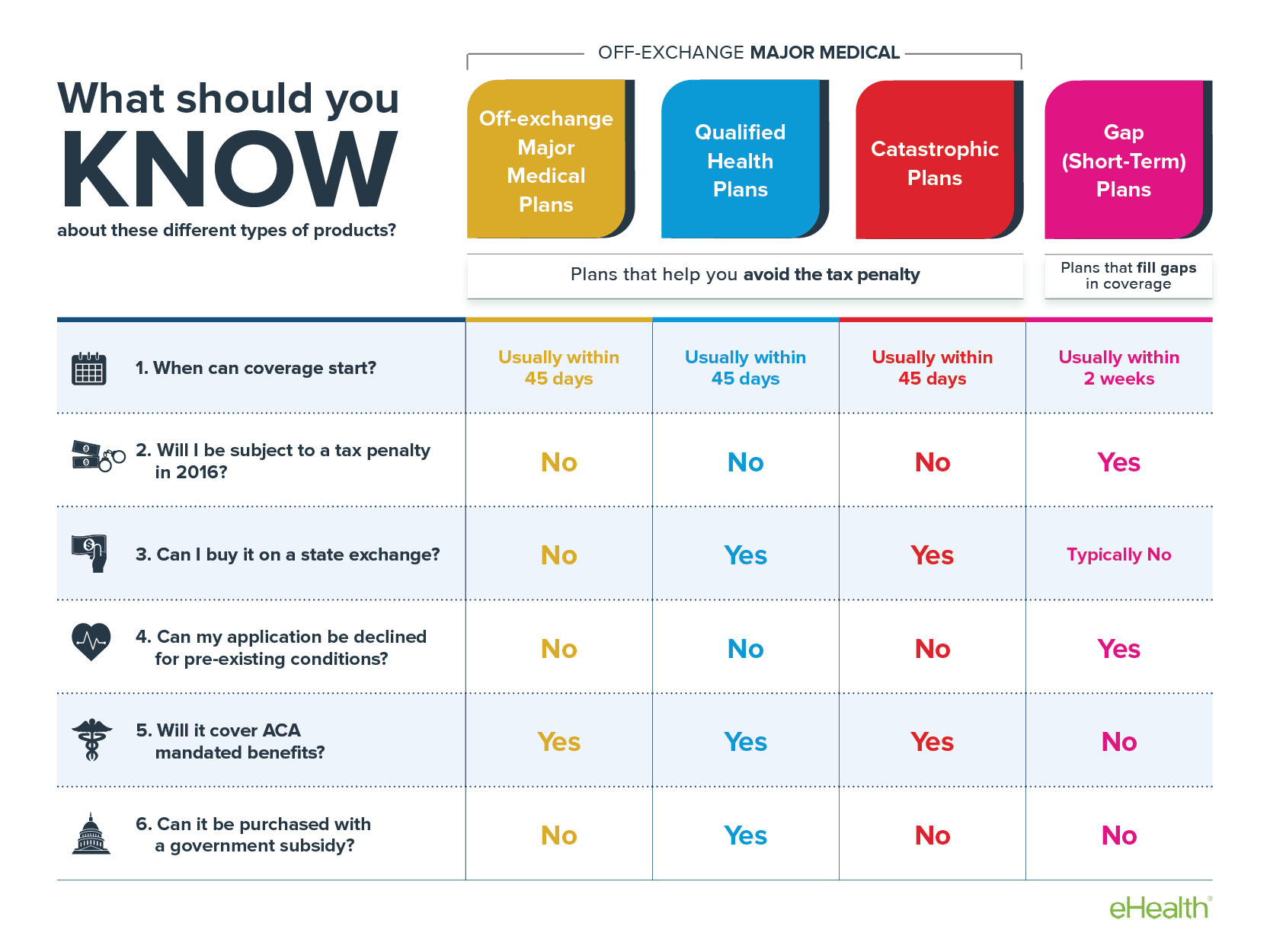
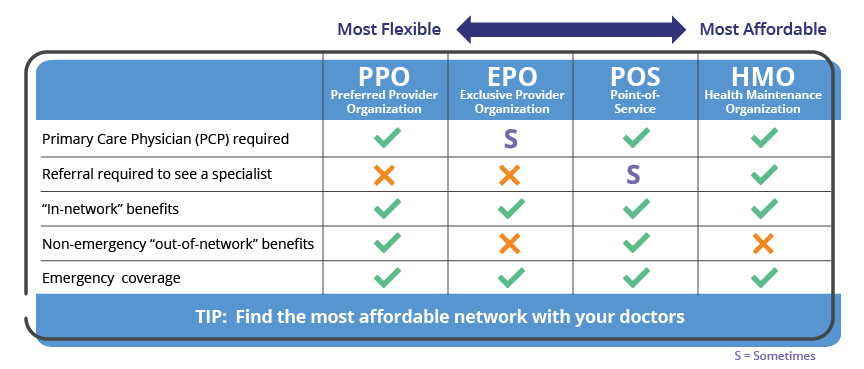
Simply put, the aids increased along with the pre-subsidy rate, totally balancing out the rate boosts. This exceptional tax credit subsidy is separate from the expense sharing decreases subsidy stopped in 2017 by President Donald Trump, an action which raised premiums in the ACA marketplaces by an estimated 20 percentage points above what otherwise would have happened, for the 2018 plan year.
In addition, numerous employees are picking to combine a health cost savings account with greater deductible plans, making the impact of the ACA hard to identify specifically. For those who acquire their insurance coverage through their employer (" group market"), a 2016 survey found that: Deductibles grew by 63% from 2011 to 2016, while premiums increased 19% and employee incomes grew by 11%.
For companies with less than 200 staff members, the deductible balanced $2,069. The portion of workers with a deductible of a minimum of $1,000 grew from 10% in 2006 to 51% in 2016. The 2016 figure drops to 38% after taking company contributions into account. For the "non-group" market, of which two-thirds are covered by the ACA exchanges, a study of 2015 information found that: 49% had individual deductibles of a minimum of $1,500 ($ 3,000 for household), up from 36% in 2014.
While about 75% of enrollees were "extremely satisfied" or "somewhat satisfied" with their choice of medical professionals and health centers, only 50% had such satisfaction with their annual deductible. While 52% of those covered by the ACA exchanges felt "well secured" by their insurance, in the group market 63% felt that way.
prescription drug spending in 2015 was $1,162 per person on average, versus $807 for Canada, $766 for Germany, $668 for France, and $497 for the UK. The reasons for higher U.S. health care costs relative to other nations and in time are discussed by experts. Bar chart comparing health care expenses as percentage of GDP throughout OECD nations Chart revealing life expectancy at birth and health care costs per capita for OECD countries as of 2013.
Little Known Facts About How Is Canadian Health Care Funded.
is an outlier, with much higher costs however below par life span. U.S. healthcare expenses in 2015 were 16.9% GDP according to the OECD, over 5% GDP higher than the next most pricey OECD nation. With U.S. GDP of $19 trillion, healthcare expenses had to do with $3.2 trillion, or about $10,000 per person in a nation of 320 million individuals.
Simply put, the U.S. would need to cut healthcare costs by http://alexismmnx966.fotosdefrases.com/what-is-california-children-s-health-care-services-things-to-know-before-you-get-this approximately one-third ($ 1 trillion or $3,000 per individual on average) to be competitive with the next most costly nation. Health care spending in the U.S. was dispersed as follows in 2014: Health center care 32%; doctor and scientific services 20%; prescription drugs 10%; and all other, consisting of lots of categories individually comprising less than 5% of spending.
Essential distinctions include: Administrative costs. About 25% of U.S. healthcare expenses connect to administrative costs (e.g., billing and payment, instead of direct provision of services, materials and medication) versus 10-15% in other countries. For example, Duke University Healthcare facility had 900 hospital beds however 1,300 billing clerks. Assuming $3.2 trillion is spent on health care each year, a 10% cost savings would be $320 billion per year and a 15% savings would be almost $500 billion each year.
A 2009 research study from Cost Waterhouse Coopers estimated $210 billion in cost savings from unneeded billing and administrative expenses, a figure that would be considerably greater in 2015 dollars. Cost variation throughout health center regions. Harvard economic expert David Cutler reported in 2013 that approximately 33% of health care costs, or about $1 trillion each year, is not associated with enhanced results.
In 2012, average Medicare compensations per enrollee ranged from a changed (for health status, income, and ethnic culture) $6,724 in the most affordable costs region to $13,596 in the highest. The U.S. invests more than other nations for the very same things. Drugs are more costly, doctors are paid more, and suppliers charge more for medical devices than other nations.
The 4-Minute Rule for Which Type Of Health Care Facility Employs The Most People In The U.s.?
spending on doctors per person is about 5 times greater than peer countries, $1,600 versus $310, as much as 37% of the space with other countries. This was driven by a greater use of professional physicians, who charge 3-6 times more in the U.S. than in peer nations. Greater level of per-capita earnings, which is associated with higher healthcare spending in the U.S.
Hixon reported a study by Princeton Teacher Uwe Reinhardt that concluded about $1,200 per person (in 2008 dollars) or about a 3rd of the space with peer countries in healthcare spending was due to higher levels of per-capita earnings. Greater earnings per-capita is correlated with using more units of healthcare.
The U.S. consumes 3 times as many mammograms, 2.5 x the Alcohol Rehab Center number of MRI scans, and 31% more C-sections per-capita than peer countries. This is a blend of greater per-capita income and higher use of experts, to name a few factors. The U.S. government steps in less actively to force down prices in the United States than in other nations.

Who Pays For Home Health Care Services Fundamentals Explained
Crumpler was born totally free and trained and practiced in Boston. At the close of the war, she signed up with the Freedmen's Bureau and operated in the freed people's communities of Virginia. In 1883, she published among the first writings on the burden of illness in black communities. "They appear to forget there is a cause for each condition," she composed.
That bloc protected the nation's racial stratification by securing local control of federal programs under a mantra of "states' rights" and, in many cases, by including credentials straight to federal laws with discriminatory intent. As the Columbia University historian Individual retirement account Katznelson and others have actually recorded, it was mainly at the behest of Southern Democrats that farm and domestic employees over half the nation's black labor force at the time were excluded from New Offer policies, consisting of the Social Security and Wagner Acts of 1935 (the Wagner Act made sure the right of workers to collective bargaining), and the Fair Labor Standards Act of 1938, which set a base pay and established the eight-hour workday.
Expense, allowing state leaders to effectively leave out black individuals. [Misconceptions about physical racial distinctions were used to validate slavery and are still believed by doctors today.] In 1945, when President Truman called on Congress to expand the country's healthcare facility system as part of a larger healthcare strategy, Southern Democrats got key concessions that formed the American medical landscape for decades to come.
But it also made sure that states controlled the dispensation of funds and could segregate resulting centers. Professional societies like the American Medical Association disallowed black physicians; medical schools left out black students, and a lot of healthcare facilities and health clinics segregated black patients. Federal healthcare policy was created, both implicitly and clearly, to omit black Americans.
The Ultimate Guide To What Is Fsa Health Care
What's more, access to great healthcare was predicated on a system of employer-based insurance coverage that was naturally hard for black Americans to get. "They were denied many of the jobs that used coverage," says David Barton Smith, an emeritus historian of health care policy at Temple University. "And even when some of them got medical insurance, as the Pullman porters did, they couldn't use white centers." In the shadows of this exemption, black neighborhoods created their own health systems.
Black physicians and nurses most of them trained at one of 2 black medical colleges, Meharry and Howard developed their own expert companies and began a concerted war versus medical apartheid. By the 1950s, they were promoting a federal health care system for all residents. [To get updates http://griffinpeqd095.yousher.com/the-3-minute-rule-for-how-to-sell-home-health-care-services on The 1619 Task, and for more on race from The New york city Times, our weekly Race/Related newsletter.] That fight put the National Medical Association (the leading black medical society) into direct conflict with the A.M.A., which was opposed to any nationalized health plan.
The group used the exact same arguments in the mid- '60s, when supporters of nationwide health insurance coverage introduced Addiction Alcohol Rehab Center Treatment Medicare. This time, the N.M.A. developed a countermessage: Health care was a standard human right. Medicare and Medicaid belonged to a broader strategy that lastly brought the legal segregation of healthcare facilities to an end: The 1964 Civil liberty Act outlawed partition for any entity getting federal funds, and the new healthcare programs soon positioned every hospital in the country in that category.
Those who did not fit into specific age, work or income groups had little to no access to health care. Inexpensive Care Act brought health insurance to almost 20 million previously uninsured adults. The biggest recipients of this benefit were individuals of color, a lot of whom obtained protection through the law's Medicaid expansion.
Excitement About How Much Does Home Health Care Cost
Numerous states, most of them in the previous Confederacy, refused to take part in Medicaid growth. And numerous are still trying to make access to the program contingent on onerous new work requirements. The outcomes of both policies have been unquestionable. States that broadened Medicaid saw a drop in disease-related deaths, according to the National Bureau of Economic Research.

One hundred and fifty years after the released people of the South first petitioned the federal government for basic healthcare, the United States remains the only high-income nation worldwide where such care is not ensured to every citizen. In the United States, racial health disparities have proved as foundational as democracy itself.
" Disparity is constructed into the system." Medicare, Medicaid and the Affordable Care Act have actually assisted diminish those variations. However no federal health policy yet has eradicated them (who is eligible for care within the veterans health administration?).
By Rosana G. Ferraro It's that time of year again when insurance provider request for medical insurance rate increases [] By: Rosana Ferraro Wondering what happened in the special session? We've got your back. As you may understand, lawmakers got [] By Jackie Nappo and Jill Zorn Just Recently, Universal Healthcare has been speaking about diverse health results, especially as [].
The Only Guide for What Is A Single Payer Health Care
All over I went last fall, I would often hear the very same twang of pitywhen I told someone I 'd come to their nation from America to find out how their health care works. There were three minutes I will constantly remember, one from each of my journeys to Taiwan, Australia, and the Netherlands.
I was strolling along a town road, plainly out of place, and he was planting orchids with his mom. He stopped me and asked what I was doing there. I said I was a reporter from the US, reporting on health care. He smiled a bit and after that went directly into a story, about his friend who was living in Los Angeles and broke his arm but came back to Taiwan to get it fixed since it 'd be more affordable than getting it fixed in the United States.
We nestled in a little structure with a cafe and tourist details desk, and one of the staff members, Mike, introduced himself. I wound up informing him why we were there; he considered it a minute and after that stated: Well, we've got some problems, however nothing as bad as yours.
Our job was enabled by a grant from.) In the Netherlands, the researchers I satisfied with at Radboud University had actually asked me to give a discussion on American healthcare, a quid professional quo for their presentation on the country's after-hours care program. So I obliged. There were 2 minutes when the audience audibly gasped: one when I discussed how numerous people in the United States are uninsured and another when I pointed out how much Americans need to spend out of pocket to meet their deductible.
Not known Details About How To Take Care Of Your Mental Health
People have actually typically asked which system was my preferred and which one would work best in the US. Sadly, that is not so basic a question to respond to. But there were certainly plenty of lessons we can heed as our country takes part in its own discussion of the future of health care.
Every one of the nations we covered Taiwan, Australia, the Netherlands, and the United Kingdom has made such a dedication. In truth, every other country in the industrialized world has decided that healthcare is something everyone must have access to and that the federal government need to play a significant function in ensuring it. a health care professional is caring for a patient who is taking zolpidem.

Excitement About What Is Themedicare Timely Filing Period For Home Health Care Services In Lv Nv
Current from HHS/CMS: Last 2017 Benefit Year Threat Adjustment Summary Report and accompanying company transfer reports. "CMS is announcing danger change payments and charges for the 2017 benefit year as determined under the HHS-operated Find more information risk change method." Complete Report launched by CMS News Release Summary, July 7, 2018. Summary Report on Permanent Risk Modification Transfers For the 2017 Advantage Year.

Lots of insurance providers that enlist big numbers of unhealthy people depend upon the "risk change" payments, which are planned to lower the rewards for insurance companies to seek out healthy consumers and shun those with persistent illnesses and other pre-existing conditions. The details below generally uses to medical insurance policies available for sale as of Nov.
1, 2018 through Dec. which of Substance Abuse Facility the https://sethgahd197.wordpress.com/2020/10/16/rumored-buzz-on-what-is-the-primary-mechanism-that-enables-people-in-the-us-to-obtain-health-care-services/ following are characteristics of the medical care determinants of health?. 31, 2018. Keep in mind that "typical" prices noted might not expose least expensive costs or highest costs, so the result on an individual or household often needs a better take a look at individual strategies. The federal HHS-sponsored web website is meant to make this precise list-price info available to policymakers and the public.

The Of How Has Technology Affected Costs Of The Delivery Of Health Care Services
Any Massachusetts homeowner can register in a health insurance during the annual open enrollment period. Otherwise, you might be able to register at other times throughout the year if you have unique situations (certifying occasions). For example, recently moving to Massachusetts or recently losing your health insurance. If you are over 65, or if you have a particular type of special needs, you may be qualified for Medicare.
The state and federal government supply lower expense health coverage for specific individuals through public health programs. This consists of the Indian Health Providers, Peace Corps, CommonHealth, HealthyStart and other programs. You may call 1-800-841-2900 to find out more about these programs.
Health care rates in the United States of America explains market and non-market aspects that identify prices, along with possible causes regarding why prices are higher than other countries. Compared to other OECD nations, U.S. health care costs are one-third higher or more relative to the size of the economy (GDP).
Proximate factors for the differences with other nations include: higher rates for the very same services (i.e., higher cost per system) and higher usage of health Learn here care (i.e., more units taken in). Higher administrative expenses, greater per-capita earnings, and less federal government intervention to drive down costs are deeper causes. While the annual inflation rate in health care expenses has declined in recent decades; it still stays above the rate of financial growth, resulting in a consistent boost in health care expenses relative to GDP from 6% in 1970 to almost 18% in 2015.
The Best Guide To How To Qualify For Home Health Care
During 2016, the U.S. population overall was approximately 325 million, with 53 million persons 65 years of age and over covered by the federal Medicare program. how to take care of your mental health. The 272 million non-institutional persons under age 65 either gotten their protection from employer-based (155 million) or non-employer based (90 million) sources, or were uninsured (27 million).
Throughout the year 2016, 91.2% of Americans had health insurance coverage. An estimated 27 million under age 65 were uninsured. U.S. healthcare cost information, including rate of modification, per-capita, and percent of GDP. Unlike many markets for consumer services in the United States, the health care market generally lacks transparent prices.
Government mandated vital care and federal government insurance programs like Medicare likewise impact market rates of U.S. healthcare. According to the New York Times in 2011, "the United States is far and away the world leader in medical costs, despite the fact that various research studies have concluded that Americans do not improve care" and rates are the greatest on the planet.
medical market, clients normally do not have access to pricing details till after medical services have been rendered. A study conducted by the California Health Care Foundation found that only 25% of visitors requesting for pricing info had the ability to get it in a single see to a healthcare facility. This has actually led to a phenomenon referred to as "surprise medical expenses", where clients receive large expenses for service long after the service was rendered.
All About Which Of The Following Is A Trend In Modern Health Care Across Industrialized Nations?
Insurer, as payors, work out healthcare pricing with suppliers on behalf of the insured. Hospitals, medical professionals, and other medical service providers have actually traditionally revealed their fee schedules only to insurance companies and other institutional payors, and not to private patients. Uninsured individuals are anticipated to pay straight for services, but since they do not have access to pricing details, price-based competitors might be lowered.
As high-deductible health insurance increase across the country, with lots of people having deductibles of $2500 or more, their capability to pay for costly procedures reduces, and health centers end up covering the expense of clients care. Many health systems are putting in location rate openness initiatives and payments strategies for their patients so that the clients better comprehend what the estimated cost of their care is, and how they can pay for to pay for their care over time.

Very few resources exist, nevertheless, that permit consumers to compare doctor costs. The AMA sponsors the Specialized Society Relative Value Scale Update Committee, a private group of doctors which mostly determine how to worth doctor labor in Medicare rates. Amongst political leaders, former Home Speaker Amphibian Gingrich has called for openness in the rates of medical gadgets, noting it is among the couple of elements or U.S.
Just recently, some insurance coverage business have announced their objective to start disclosing supplier rates as a method to encourage cost decrease. Other services exist to help physicians and their clients, such as Healthcare Expense, Accuro Health Care Solutions, with its CarePricer software application. Likewise, medical tourists take advantage of rate openness on sites such as MEDIGO and Getting Health, which provide hospital rate comparison and consultation booking services.
Who Health Care Rankings Things To Know Before You Get This
In the U.S., the Emergency Medical Treatment and Active Labor Act needs that health centers deal with all patients in need of emergency medical care without considering patients' capability to pay for service. This federal government mandated care places a cost problem on medical service providers, as seriously ill clients lacking funds must be dealt with.
Harvard economist N. Gregory Mankiw discussed in July 2017 that "the magic of the totally free market sometimes fails us when it pertains to health care." This is due to: Important positive externalities or circumstances where the actions of one individual or business favorably affect the health of others, such as vaccinations and medical research study.
Consumers don't understand what to buy, as the technical nature of the product requires expert physician guidance. The failure to keep track of item quality leads to guideline (e.g., licensing of doctor and the safety of pharmaceutical products). Health care costs is unpredictable and expensive. This results in insurance to swimming pool risks and minimize unpredictability.
Unfavorable choice, where insurance companies can choose to avoid ill clients. This can lead to a "death spiral" in which the healthiest individuals drop out of insurance protection perceiving it too expensive, causing greater prices for the rest, repeating the cycle. The conservative Heritage Structure promoted specific requireds in the late 1980s to get rid of adverse choice by requiring all persons to obtain insurance or pay penalties, an idea included in the Affordable Care Act.
Based On The Foundations Of Federalism for Dummies
Medicaid was established at the very same time to offer medical insurance mostly to children, pregnant females, and particular other medically needy groups. The Congressional Budget Office (CBO) reported in October 2017 that changed for timing distinctions, Medicare spending increased by $22 billion (4%) in fiscal year 2017, showing growth in both the number of beneficiaries and in the average benefit payment.
Unadjusted for timing shifts, in 2017 Medicare costs was $595 billion and Medicaid spending was $375 billion. Medicare covered 57 million individuals as of September 2016. While on the other hand, Medicaid covered 68.4 million individuals as of July 2017, 74.3 million consisting of the Children's Medical insurance Program (CHIP). Medicare and Medicaid are managed at the Federal level by the Centers for Medicare and Medicaid Services (CMS). Check Out Perspectives on Fidelity.com: Should you take Social Security at 62? If you're like many people, you most likely do not have access to employer-sponsored pre-65 retiree medical coverage. So if you retire prior to age 65, you'll require to find coverage till you are eligible for Medicare. Consider these choices that might be readily available to you (see table).
When you do end up being qualified at age 65, you'll wish to keep in mind to sign up throughout your 7-month initial registration duration that starts 3 months prior to the month you turn 65. There's a lot to learn more about the world of Medicare. You'll need to understand about Medicare Components A, B, and D, as well as Medicare Advantage and "Medigap" extra insurance coverage strategies.
Part B is optional coverage for medical costs and requires an annual premium. Part D is for prescription drug coverage. Medicare Benefit plans are all-in-one handled care strategies that provide the services covered under Part A and Part B of Medicare and may also cover other services that are not covered under Components A and B, consisting of Part D prescription drug coverage.
Indicators on Which Type Of Health Insurance Plan Is Not Considered A Managed Care Plan? You Should Know
You might be better off paying a higher premium but not needing to pay out-of-pocket at your workplace sees. Look at the cost of yearly premiums and co-pays at various levels of additional insurance. why is health care so expensive. Compare these expenses. Then consider the number of gos to and co-pay/co-insurance per see that you anticipate for the next year.
You can change Medicare strategies as you age and as your scenario modifications. Usually, it makes good sense to enroll in Medicare Parts A, B, and D when you are very first eligible since the late registration penalty for doing so later on is steep (see next section if you are continuing to work after age 65).
In addition to Medicare options to consider, if your partner or partner continues to work, they may be able to cover you through their health insurance. Speak with your HR department to help you evaluate all your choices, costs, and any limitations. The rules of Medicare are complicated, so to get started, consider the following questions: Which strategy provides you the finest protection for your health needs? Your company is required to offer you protection, but is that your best alternative? Is it more costly to remain in your company plan or sign up with Medicare? Can your partner or partner stay in your employer's plan if you choose to leave? Keep in mind, one of the essential objectives at this stage is to avoid any gap in coverage.
According to the Kaiser Family Foundation, the portion of home budget plans invested on health costs is nearly 3 times as much for senior citizens on Medicare as for working families (14% versus 5%).6 "Although healthcare expenses continue to increase, there are monetary preparation steps that you can take today to assist prevent health care costs from consuming into your retirement lifestyle," Feinschreiber advises.
What Is Health Care Delivery System - An Overview
In addition, if you are age 55 or older, you can make an extra $1,000 catch-up contribution every year to your health cost savings account." Read Viewpoints on Fidelity.com: What will my savings cover in retirement? Call or check out to set up a visit. Determine if you're contributing enough to your savings.
Health care in the United States can be extremely pricey. A single physician's office see may cost a number of hundred dollars and an average three-day hospital stay can run tens of thousands of dollars (and even more) depending upon the type of care offered. The majority of us could not pay for to pay such big sums if we get ill, especially because we don't know when we might end up being ill or hurt or how much care we may need.
The method it typically works is that the consumer (you) pays an in advance premium to a medical insurance business which payment enables you to share "danger" with lots of other people (enrollees) who are making similar payments. Since many people are healthy the majority of the time, the superior dollars paid to the insurance company can be utilized to cover the costs of the (relatively) little number of enrollees who get ill or are hurt.
There are lots of, various types of health insurance coverage plans in the U.S. and various guidelines and arrangements regarding care. Following are 3 important questions you ought to ask when deciding about the medical insurance that will work best for you: One manner in which medical insurance plans manage their costs is to influence access to suppliers.
Everything about What The American People Need Is Not More Health Care
Many insurance provider agreement with a defined network of suppliers that has actually consented to provide services to plan enrollees at more beneficial prices. what countries have universal health care. If a company is not in a strategy's network, the insurer might not spend for the service( s) supplied or might pay a smaller portion than it would for in-network care.

This is an essential principle to understand, specifically if you are not initially from the local Stanford area. Among the important things healthcare reform has actually performed in the U.S. (under the Affordable Care Act) is to introduce more standardization to insurance coverage strategy benefits. Before such standardization, the benefits used diverse drastically from strategy to strategy.
Now, strategies in the U.S. are required to offer a variety of "vital health benefits" which consist of Emergency services Hospitalization Laboratory checks Maternity and newborn care Mental health and substance-abuse treatment Outpatient care (doctors and other services you receive beyond a healthcare facility) Pediatric services, consisting of dental and vision care Prescription drugs Preventive services (e.g., some immunizations) and management of chronic illness Rehabilitation services Comprehending what insurance coverage costs is actually quite complicated.
This is an up front expense that is transparent to you (i.e., you understand just how much you pay). Regrettably, for a lot of plans, this is not the only expense related to the care you get. There is also usually cost when you access care. Such cost is caught as deductibles, coinsurance, and/or copays (see meanings below) and represents the share you pay out of your own pocket when you receive care.
How Much Does Health Care Cost for Dummies
The less you pay in premium, the more you will pay when you access care. In either case, you will pay the expense for care you receive. We have actually taken the method that it is better to pay a bigger share in the in advance premium to minimize, as much as possible, costs that are sustained at the time of service.
We want trainees to access medical care whenever it's needed.: The terms "out-of-pocket expense" and/or "expense sharing" describe the part of your medical expenses you are accountable for paying when you in fact receive health care. The month-to-month premium you spend for care is different from these costs.: The annual deductible is amount you pay each strategy year before the insurance provider starts paying its share of the costs.

The 4-Minute Rule for What Is A Health Care Spending Account
The population of Tamil Nadu has actually considerably benefited, for instance, from its splendidly run mid-day meal service in schools and from its extensive system of nutrition and health care of pre-school children. The message that striking benefits can be reaped from serious efforts at institutingor even moving towardsuniversal healthcare is hard to miss out on.
Perhaps most significantly, it indicates involving women in the delivery of health and education in a much larger method than is typical in the developing world. The question can, however, be asked: how does universal healthcare ended up being budget-friendly in poor nations? Undoubtedly, how has UHC been afforded in those countries or states that have run versus the extensive and entrenched belief that a poor country must initially grow abundant prior to it is able to fulfill the expenses of healthcare for all? The alleged common-sense argument that if a country is bad it can not provide UHC is, however, based on crude and malfunctioning economic thinking (how much does medicare pay for home health care per hour).
A bad nation might have less money to invest on health care, Drug Detox but it likewise needs to invest less to provide the exact same labour-intensive services (far less than what a richerand higher-wageeconomy would have to pay). Not to consider the ramifications of large wage distinctions is a gross oversight that misshapes the discussion of the price of labour-intensive activities such as health care and education in low-wage economies.
Given the hugely unequal distribution of earnings in many economies, there can be serious ineffectiveness along with unfairness in leaving the distribution of health care entirely to people's respective abilities to buy medical services. UHC can produce not just higher equity, but also much bigger general health achievement for the country, because the remedying of a number of the most easily treatable illness and the avoidance of readily avoidable ailments get neglected under the out-of-pocket system, due to the fact that of the inability of the bad to manage even really primary healthcare and medical attention.
This is not to deny that treating inequality as much as possible is an important valuea subject on which I have actually edited many years. Decrease of economic and social inequality Continue reading likewise has crucial significance for excellent health. Definitive evidence of this is supplied in the work of Michael Marmot, Richard Wilkinson and others on the "social factors of health", revealing that gross inequalities harm the health of the underdogs of society, both by weakening their lifestyles and by making them prone to damaging behaviour patterns, such as cigarette smoking and excessive drinking.
Healthcare for all can be executed with comparative ease, and it would be an embarassment to delay its accomplishment till such time as it can be integrated with the more complex and hard goal of eliminating all inequality. Third, many medical and health services are shared, rather than being solely utilized by each specific independently.

Not known Facts About What Is Required In The Florida Employee Health Care Access Act?
Health care, hence, has strong components of what in economics is called a "cumulative great," which normally is extremely inefficiently allocated by the pure market system, as has actually been extensively discussed by financial experts such as Paul Samuelson. Covering more people together can often cost less than covering a smaller number separately.
Universal coverage avoids their spread and cuts expenses through better epidemiological care. This point, as used to individual areas, has been acknowledged for an extremely long time. The conquest of upsurges has, in truth, been achieved by not leaving anyone neglected in regions where the spread of infection is being tackled.
Today, the pandemic of Ebola is causing alarm even in parts of the world far from its place of origin in west Africa. For instance, the United States has taken lots of pricey actions to prevent the spread of Ebola within its own borders. Had actually there been reliable UHC in the nations of origin of the illness, this problem could have been alleviated and even gotten rid of (how much does medicare pay for home health care per hour).
The estimation of the supreme financial expenses and advantages of health care can be an even more intricate procedure than the universality-deniers would have us think. In the absence of a reasonably well-organised system of public healthcare for all, many individuals are affected by overpriced and ineffective private health care (what is universal health care). As has been evaluated by many financial experts, most notably Kenneth Arrow, there can not be a knowledgeable competitive market stability in the field of medical attention, because of what economic experts call "asymmetric information".
Unlike in the market for lots of products, such as shirts or umbrellas, the buyer of medical treatment knows far less than what the seller the doctordoes, and this vitiates the effectiveness of market competition. This applies to the market for health insurance also, since insurance provider can not completely know what clients' health conditions are.
And there is, in addition, the much larger problem that personal insurance coverage business, if unrestrained by policies, have a strong financial interest in excluding patients who are required "high-risk". So one method or another, the government needs to play an active part in making UHC work. The issue of asymmetric information uses to the shipment of medical services itself.
Facts About How Can I Get Free Health Care Uncovered
And when medical workers are limited, so that there is not much competitors either, it can make the situation of the buyer of medical treatment even worse. In addition, when the company of health care is not himself skilled (as is frequently the case in lots of nations with lacking health systems), the scenario becomes worse still.
In some countriesfor example Indiawe see both systems running side by side in different states within the nation. A state such as Kerala offers fairly reliable standard health care for all through public servicesKerala originated UHC in India a number of years back, through comprehensive public health services. As the population of Kerala has actually grown richerpartly as a result of universal healthcare and near-universal literacymany people now choose to pay more and have extra personal healthcare.
On the other hand, states such as Madhya Pradesh or Uttar Pradesh provide abundant examples of exploitative and ineffective healthcare for the bulk of the population. Not remarkably, individuals who reside in Kerala live much longer and have a much lower incidence of avoidable diseases than do individuals from states such as Madhya Pradesh or Uttar Pradesh.
In the absence of systematic take care of all, diseases are typically allowed to develop, which makes it a lot more expensive to treat them, often involving inpatient treatment, such as surgery. Thailand's experience plainly demonstrates how the requirement for more costly treatments might decrease sharply with fuller coverage of preventive care and early intervention.
If the development of equity is among the benefits of well-organised universal healthcare, enhancement of effectiveness in medical attention is certainly another. The case for UHC is frequently undervalued due to the fact that of insufficient appreciation of what well-organised and affordable health care for all can do to improve and improve human lives.
In this context it is likewise needed to bear in mind a crucial reminder included Go to this site in Paul Farmer's book Pathologies of Power: Health, Human Rights and the New War on the Poor: "Claims that we reside in a period of minimal resources stop working to discuss that these resources happen to be less minimal now than ever before in human history.

Some Ideas on Based On The Foundations Of Federalism You Need To Know
Blue Cross NC agreements with Optum, an independent third-party vendor, for the arrangement of certain aspects of our wellness programs and is not responsible in any method for goods or services received from http://jaredeoge822.theglensecret.com/the-facts-about-why-did-democrats-block-veterans-health-care-bill-revealed Optum. Optum does not provide Blue Cross or Blue Shield product and services. how to qualify for home health care. Blue Cross NC reserves the right to discontinue or change our health care at any time.
They are planned to assist members make notified choices about their health and abide by their doctor's plan of care. Choices regarding care must be made with the suggestions of a doctor. Blue365 provides access to savings on items that Members may buy directly from independent suppliers, which are different from products that are covered under the policies with your Blue Cross NC.
Blue Cross and Blue Guard Association (BCBSA) may receive payments from Blue365 suppliers. BCBSA does not advise, back, warrant or guarantee any specific Blue365 supplier or product. Final decision of challenge eligibility for disastrous health strategies can just be obtained through the Health Insurance Market at HealthCare.gov. Example strategies shown are for illustrative purposes only and are subject to change based upon personal scenarios.
The Affordable Care Act, likewise understood as the healthcare law, was developed to provide more Americans with access to inexpensive health insurance, improve the quality of healthcare and health insurance coverage, and lower healthcare costs in the U.S. Under the health care law, people: must have medical insurance that meets the "minimum important coverage" requirement, or should pay an "individual shared duty payment," likewise called a "penalty," when filing their taxes if they can manage to buy medical insurance, however pick not to purchase health insurance coverage, unless they satisfy certain requirements to certify for an exemption from paying the charge.
On the Marketplaces, some individuals might be qualified for lower expenses on health premiums and out-of-pocket expenses based upon their earnings. If you are not enrolled in VA health care, you can use at any time. If you served in the U.S. Armed Forces, you can utilize the VA Health Advantages Explorer to find out about the benefits you might receive if you are registered with VA for your healthcare.
If you want, you can skip the Explorer and simply look for registration now. In addition, registration in VA indicates you can take pleasure in: Healthcare ranked amongst the very best in the U.S. Immediate advantages of health care coverage. Veterans may get VA healthcare registration at any time. No enrollment fee, regular monthly premiums, or deductibles.
Some Of What Does Home Health Care Do
Some Veterans might need to pay little copayments for healthcare or prescription drugs. More than 1,500 locations readily available to get your care. This means your protection can go with you if you travel or move. Healthcare protection that fulfills the minimum important coverage standard. While many Veterans get cost-free care and services based on eligibility elements, such as service connection and/or earnings, the 2016 average yearly out-of-pocket costs for all other Veterans was simply $320.
The Marketis a method to purchase and purchase private medical insurance (for example, health coverage aside from VA healthcare programs) that fits your budget and satisfies your requirements. People who acquire insurance coverage through the Market may have the ability to reduce the expenses of health insurance coverage by paying lower regular monthly premiums.
For more details, go to https://www.healthcare.gov/income-and-household-information/household-size/ to sneak peek plans and prices for your spouse and dependents. You can also see more information about relative and the market on the Household Members area of the ACA website. Even if you are covered by your VA health care enrollment, your relative who are not enrolled in a VA healthcare program and who do not satisfy the healthcare law protection standards ought to utilize the Market to get coverage.
They might be eligible for free or low-cost protection through Medicaid or the Children's Medical insurance Program (CHIP). They can send an application for healthcare coverage through the Marketplace, and discover the amount of assistance they are qualified for (what is home health care). To learn more, see www.healthcare.gov. A special registration period is a time outside of the open enrollment period during which you and your family have a right to sign up for health protection.
Job-based strategies must supply a special registration period of one month. If you do not have an unique enrollment period, you can't purchase insurance coverage inside or outside the Market until the next open registration duration. Not all unique enrollment durations are the same length, so check out https://www.healthcare.gov/coverage-outside-open-enrollment/special-enrollment-period/ for information. If you have other types of health care Drug Abuse Treatment protection, such as a personal insurance coverage strategy, Medicare, Medicaid or TRICARE, you can continue to utilize your VA healthcare benefits along with these strategies.
If you remain uninsured, you might have to make payment when submitting your taxes (how to take care of mental health). This payment will either be a flat fee or a percentage of your taxable home income, depending upon which quantity is higher. This payment will be phased-in according to the schedule listed below: $695 or 2.5% of your gross income in 2017, as much as an optimum of $2,085, whichever is higher Exemptions from the payment will be approved under specific situations.
7 Simple Techniques For How Does Health Care Policy-making Operate In The United States?
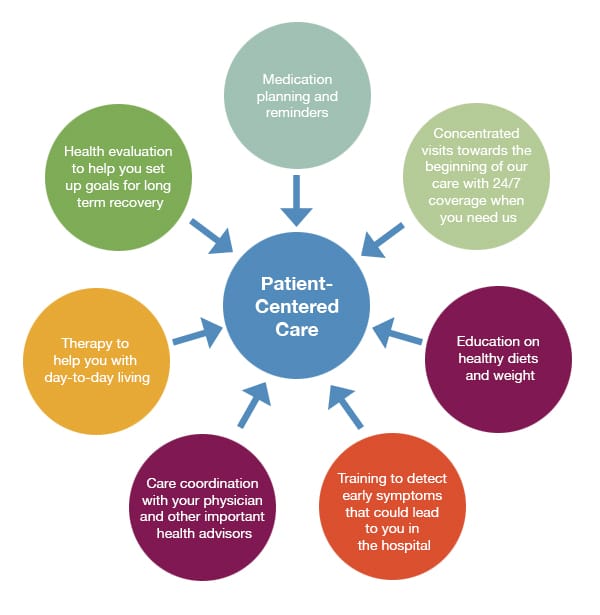
If you are displaced or affected by wildfire, all Washington Apple Health and PEBB/SEBB medical plans are allowing prescription refills before the refill date. Due to COVID-19, HCA's lobby is closed. Find out more about your customer support choices.
Health care continues to be among the biggest expenses in retirement. It is estimated that the average couple will need $295,0001 in today's dollars for medical expenditures in retirement, leaving out long-term care. To assist fill a space in saving for health care expenses, consider increasing contributions to your tax-advantaged accounts, especially HSAs (if you have one), which make it possible for tax-free costs on health care in retirement. * If you are like a lot of Americans, health care is anticipated to be one of your largest costs in retirement, after real estate and transportation costs.
So, healthcare expenses will likely take in a bigger portion of your retirement budgetand you require to prepare for that. There are a variety of motorists behind this mounting retirement health care expense challenge. In general, individuals are living longer, health care inflation continues to surpass the rate Visit this site of general inflation, and the average retirement age is 62 for most Americansthat's 3 years prior to you are qualified to enlist in Medicare.

" Numerous individuals presume Medicare will cover all your healthcare cost in retirement, however it doesn't. We approximate that about 15% of the average retired person's annual expenses will be utilized for health care-related costs,2 including Medicare premiums and out-of-pocket costs. So, you ought to thoroughly weigh all alternatives." According to the Fidelity Retiree Healthcare Expense Quote, an average retired couple age 65 in 2020 might need approximately $295,000 conserved (after tax) to cover health care expenses in retirement.
The amount you require will likewise depend upon which accounts you utilize to spend for health caree.g., 401( k), HSA, Individual Retirement Account, or taxable accounts; your tax rates in retirement (see chart); and potentially even your gross earnings. 3 If you're still working and your employer provides an HSA-eligible health insurance, consider registering and adding to a health cost savings account (HSA).

8 Easy Facts About What Countries Have Single Payer Health Care Explained
Obtained 2019-01-14. (PDF). OECD. 2013-11-21. pp. 5, 39, 46, 48. (link). Recovered 2013-11-24. (online data). stats.oecd.org/. OECD's iLibrary. 2013. Recovered 2013-11-24. " Health Care Quality-Spending Interactive Commonwealth Fund". www.commonwealthfund.org. Obtained 2019-01-14. World Health Organization, 2003. Quality and accreditation in healthcare services. Geneva http://www.who.int/hrh/documents/en/quality_accreditation.pdf Tulenko et al., "Framework and measurement concerns Check over here for monitoring entry into the health labor force." Handbook on monitoring and evaluation of personnels for health.
" Health infotech HIT". HealthIT.gov. Recovered 5 August 2014. " Definition and Benefits of Electronic Medical Records (EMR) Providers & Professionals HealthIT.gov". www.healthit.gov. Recovered 2017-11-27. " What is an individual health record? Frequently Asked Questions Providers & Professionals HealthIT.gov". www.healthit.gov. Recovered 2017-11-27. " Authorities Information about Health Information Exchange (HIE) Providers & Professionals HealthIT.gov". www.healthit.gov.
Over the very first half of this decade, as an outcome of the Client Defense and Affordable Care Act of 2010, 20 million grownups have acquired medical insurance coverage.23 Yet even as the variety of uninsured has been considerably lowered, millions of Americans still lack coverage. In addition, data from the Healthy People Midcourse Evaluation show that there are significant disparities in access to care by sex, age, race, ethnicity, education, and family income.
Variations also exist by location, as millions of Americans living in backwoods do not have access to medical care services due to labor force lacks. Future efforts will need to focus on the implementation of a medical care workforce that is much better geographically distributed and trained to supply culturally competent care to varied populations.
What Is The Primary Mechanism That Enables People In The Us To Obtain Health Care Services? Things To Know Before You Get This
Access to Health Care in America. Millman M, editor. Washington, DC: National Academies Press; 1993. 2National Healthcare Quality Report, 2013 [Web] Chapter 10: Access to Healthcare. Rockville (MD): Agency for Health Care Research and Quality; May 2014. Readily available from: http://www.ahrq.gov/research/findings/nhqrdr/nhqdr15/access.html 3Access and Variations in Access to Healthcare [Web] Rockville (MD): Company for Healthcare Research and Quality; May 2016.
Insurance coverage, treatment use, and short-term health modifications following an unintended injury or the beginning of a chronic condition. JAMA. 2007; 297( 10 ):1073 -84. 5Institute of Medicine. Insuring America's health: Principles and suggestions. Acad Emerg Medication. 2004; 11( 4 ):418 -22. 6Durham J, Owen P, Bender B, et al. Self-assessed health status and picked behavioral threat elements among individuals with and without health care coverageUnited States, 1994-1995.
1998 Mar 13; 47( 9 ):176 -80. 7Starfield B, Shi L. The medical home, access to care, and insurance. Pediatrics. 2004; 113( Suppl 5):1493 -8. 8De Maeseneer JM, De Prins L, Gosset C, et al. Service provider continuity in family medicine: Does it make a difference for overall healthcare expenses? Ann Fam Medication. 2003; 1:144 -8. 9Phillips R, Proser M, Green L, et al.
Am Fam Doctor. 2004 Sep 15; 70( 6 ):1035. 10 Ettner SL. The timing of preventive services for women and kids; the impact of having a typical source of care. Am J Pub Health. 1996; 86( 12 ):1748 -54 11Institute of Medication. Main care: America's health in a brand-new age. Donaldson MS, Yordy KD, Lohr KN, editors.
Not known Incorrect Statements About Who Leads Behavioral Health Care Services For Alameda County?
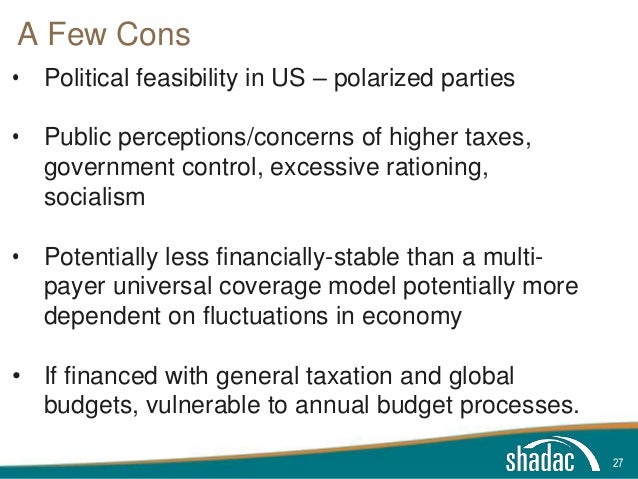
12Mainous AG 3rd, Baker R, Love MM, et al. Connection of care and rely on one's doctor: Proof from primary care in the United States and the United Kingdom. Fam Medication. 2001 Jan; 33( 1 ):22 -7. 13Starfield B. Medical care: Balancing health requirements, services and technology. New York City: Oxford University Press; 1998. 14Starfield B, Shi L, Machinko J.
The Milbank Quarterly. 2005; 83( 3 ):457 -502 15National Commission on Prevention Priorities. Preventive care: A nationwide profile on use, disparities, and health benefits. Washington, DC: Collaboration for Avoidance; 2007 Aug. 16National Commission on Avoidance Priorities. Information needed to examine usage of high-value preventive care: A short report from the National Commission on Avoidance Priorities.
$117Massachusetts General Medical Facility (MGH), Department of Emergency Medication [Internet] Prehospital care: Emergency situation medical service. Boston: MGH. Available from: http://www.mgh.harvard.edu/emergencymedicine/services/treatmentprograms.aspx?id=1433 18Institute of Medication (IOM). Future of emergency care series: Emergency situation medical services: At the crossroads. Washington, DC: IOM; 2006. 19National Healthcare Quality Report, 2013 [Internet] Chapter 5: Timeliness. Rockville (MD): Agency for Health Care Research and Quality; May 2014.
Key Findings. Rockville (MD): Company for Health Care Research Study and Quality; April 2015. Offered from: 21Hsai RY, Tabas JA. The increasing weight of increasing waits. Arch Intern Med. 2009 Nov 9; 169( 20 ):1826 -1932. 22Avalere Health for the American Medical Facility Association. Trendwatch Chartbook 2015: Trends Impacting Hospitals and Health Systems. Washington, DC: American Heart Association; 2015.
The Definitive Guide to What Percentage Of Adults Requiring Mental Health Services Get The Care They Need? Prepu
ASPE Problem Brief: Medical Insurance Protection and the Affordable Care Act, 2010-2016 [Internet] Washington, DC: Department of Health and Human Solutions; 2016 Mar 3. Readily available from: https://aspe (what level of health care involves complex medical services?).hhs.gov/sites/default/files/pdf/187551/ACA2010-2016.pdf.

" Health care services" implies the furnishing of medication, medical or surgical treatment, nursing, healthcare facility service, dental service, optometrical service, complementary health services or any or all of the enumerated services or any other required services of like character, whether contingent upon illness or individual injury, as well as the providing to any individual of any and all other services and goods for the purpose of avoiding, easing, treating or healing human disease, handicap or injury.
The series of home health care services a client can receive in the house is endless. Depending upon the specific patient's scenario, care can range from nursing care to specialized medical services, such as lab workups. You and your medical professional will determine your care plan and services you might require in the house.
She or he may also periodically review the house healthcare needs. The most common kind of home health care is some kind of nursing care depending on the person's requirements. In consultation with the doctor, a registered nurse will set up a strategy of care. Nursing care may consist of wound dressing, ostomy care, intravenous treatment, administering medication, keeping an eye on the general health of http://franciscooooi512.theglensecret.com/the-best-guide-to-what-is-a-single-payer-health-care-system the client, discomfort control, and other health assistance.
Some Known Details About Which Health Insurance Policy Provisions Specifies The Health Care Services A Policy Will Cover
A physiotherapist can assemble a strategy of care to help a patient restore or enhance usage of muscles and joints. An occupational therapist can help a patient with physical, developmental, social, or psychological specials needs relearn how to carry out such day-to-day functions as consuming, bathing, dressing, and more. A speech therapist can help a client with impaired speech restore the capability to interact clearly.
Some social workers are also the client's case manager-- if the patient's medical condition is really intricate and requires coordination of numerous services. Home health aides can help the patient with his/her standard individual needs such as getting out of bed, walking, bathing, and dressing. Some assistants have received specific training to assist with more specific care under the guidance of a nurse.
Some clients who are house alone might need a companion to supply comfort and supervision. Some companions might likewise perform household responsibilities. Volunteers from neighborhood companies can offer basic comfort to the patient through friendship, aiding with personal care, providing transportation, psychological support, and/or aiding with documentation. Dietitians can concern a patient's house to provide dietary assessments and assistance to support the treatment plan.
In addition, portable X-ray makers enable lab professionals to perform this service at house. Medication and medical equipment can be delivered in the house. If the client requires it, training can be offered on how to take medications or use of the devices, including intravenous treatment. There are companies that provide transport Addiction Treatment Delray to clients who require transportation to and from a medical center for treatment or physical examinations.

Examine This Report on How Much Does Medicare Pay For Home Health Care Per Hour
The population of Tamil Nadu has actually significantly benefited, for instance, from its splendidly run mid-day meal service in schools and from its comprehensive system of nutrition and health care of pre-school kids. The message that striking benefits can be gained from major attempts at institutingor even moving towardsuniversal health care is tough to miss.
Maybe most notably, it suggests involving ladies in the delivery of health and education in a much larger method than is usual in the establishing world. The question can, nevertheless, be asked: how does universal healthcare become budget friendly in poor nations? Certainly, how has UHC been paid for in those countries or states that have run against the prevalent and entrenched belief that a bad country must first grow abundant prior to it is able to meet the costs of health care for all? The supposed sensible argument that if a country is bad it can not offer UHC is, nevertheless, based on crude and defective financial reasoning (what is primary health care).
A bad nation might have less money to invest in health care, however it likewise needs to invest less to supply the very same labour-intensive services (far less than what a richerand higher-wageeconomy would need to pay). Not to take into account the ramifications of large wage differences is a gross oversight that misshapes the conversation of the affordability of labour-intensive activities such as health care and education in low-wage economies.
Provided the hugely unequal distribution of earnings in lots of economies, there can be severe inadequacy along with unfairness in leaving the circulation of healthcare entirely to people's respective abilities to buy medical services. UHC can cause not only higher equity, but also much larger general health accomplishment for the country, since the remedying of many of the most quickly curable diseases and the prevention of readily preventable ailments get left out under the out-of-pocket system, due to the fact that of the inability of the bad to afford even very elementary health care and medical attention.
This is not to deny that fixing inequality as much as possible is a crucial valuea topic on which I have written over many decades. Decrease of financial and social inequality likewise has instrumental relevance for good health. Definitive proof of this is supplied in the work of Michael Marmot, Richard Wilkinson and others on the "social factors of health", revealing that gross inequalities hurt the health of the underdogs of society, both by weakening their way of lives and by making them vulnerable to hazardous behaviour patterns, such as smoking and excessive drinking.
Health care for all can be executed with relative ease, and it would be an embarassment to delay its achievement up until such time as it can be combined with the more complicated and difficult objective of removing all inequality. Third, lots of medical and health services are shared, rather than being exclusively utilized by each private independently.
The Main Principles Of Why Did Democrats Block Veterans Health Care Bill
Health care, thus, has strong components of what in economics is called a "collective excellent," which usually is extremely inefficiently allocated by the pure market system, as has been extensively discussed by economists such as Paul Samuelson. Covering more individuals together can sometimes cost less than covering a smaller sized number individually.
Universal protection avoids their spread and cuts costs through much better epidemiological care. This point, as applied to individual regions, has been acknowledged for a very long time. The conquest of epidemics has, in truth, been attained by not leaving anyone unattended in areas where the spread of infection is being tackled.
Today, the pandemic of Ebola is causing alarm even Continue reading in parts of the world far away from its place of origin in west Africa. For instance, the United States has actually taken numerous costly steps to avoid the spread of Ebola within its own borders. Had actually there worked UHC in the native lands of the disease, this problem might have been alleviated or perhaps removed (how does canadian health care work).

The calculation of the ultimate financial costs and advantages of health care can be a much more complex process than the universality-deniers would have us think. In the absence of a reasonably well-organised system of public healthcare for all, many individuals are affected by pricey and inefficient personal healthcare (how does universal health care work). As has been analysed by numerous economists, most especially Kenneth Arrow, there can not be a knowledgeable competitive market stability in the field of medical attention, because of what economic experts call "asymmetric details".
Unlike in the market for numerous commodities, such as t-shirts or umbrellas, the buyer of medical treatment understands far less than what the seller the doctordoes, and this vitiates the efficiency of market competitors. This uses to the market for medical insurance also, since insurance provider can not fully know what clients' health conditions are.
And there is, in addition, the much larger problem that personal insurance provider, if unrestrained by guidelines, have a strong financial interest in leaving out patients who are taken to be "high-risk". So one method or another, the government needs to play an active part in making UHC work. The problem of asymmetric info uses to the shipment of medical services itself.
Getting The What Is Universal Health Care To Work
And when medical personnel are limited, so that there is very little competition either, it can make the situation of the buyer of medical treatment even worse. Additionally, when the company of health care is not himself experienced (as is often the case in lots of countries with deficient health systems), the scenario becomes worse still.
In some countriesfor example Indiawe see both systems operating side by side in various states within the nation. A state such as Kerala supplies fairly reputable standard healthcare for all through public servicesKerala pioneered UHC in India numerous years ago, through substantial public health services. As the population of Kerala has actually grown richerpartly as an outcome of universal health care and near-universal literacymany individuals now choose to pay more and have extra personal healthcare.
On Drug Detox the other hand, states such as Madhya Pradesh or Uttar Pradesh give numerous examples of exploitative and ineffective health care for the bulk of the population. Not surprisingly, people who live in Kerala live much longer and have a much lower occurrence of avoidable health problems than do people from states such as Madhya Pradesh or Uttar Pradesh.
In the lack of methodical care for all, illness are typically enabled to develop, which makes it much more costly to treat them, typically including inpatient treatment, such as surgery. Thailand's experience clearly shows how the need for more pricey treatments may decrease dramatically with fuller protection of preventive care and early intervention.
If the improvement of equity is one of the rewards of well-organised universal healthcare, improvement of performance in medical attention is definitely another. The case for UHC is typically undervalued because of insufficient gratitude of what well-organised and affordable health care for all can do to enrich and enhance human lives.
In this context it is also required to bear in mind an essential pointer contained in Paul Farmer's book Pathologies of Power: Health, Human being Rights and the New War on the Poor: "Claims that we reside in a period of limited resources stop working to mention that these Go to this site resources occur to be less restricted now than ever before in human history.
